012026
Tonecraft
guitar, made simple
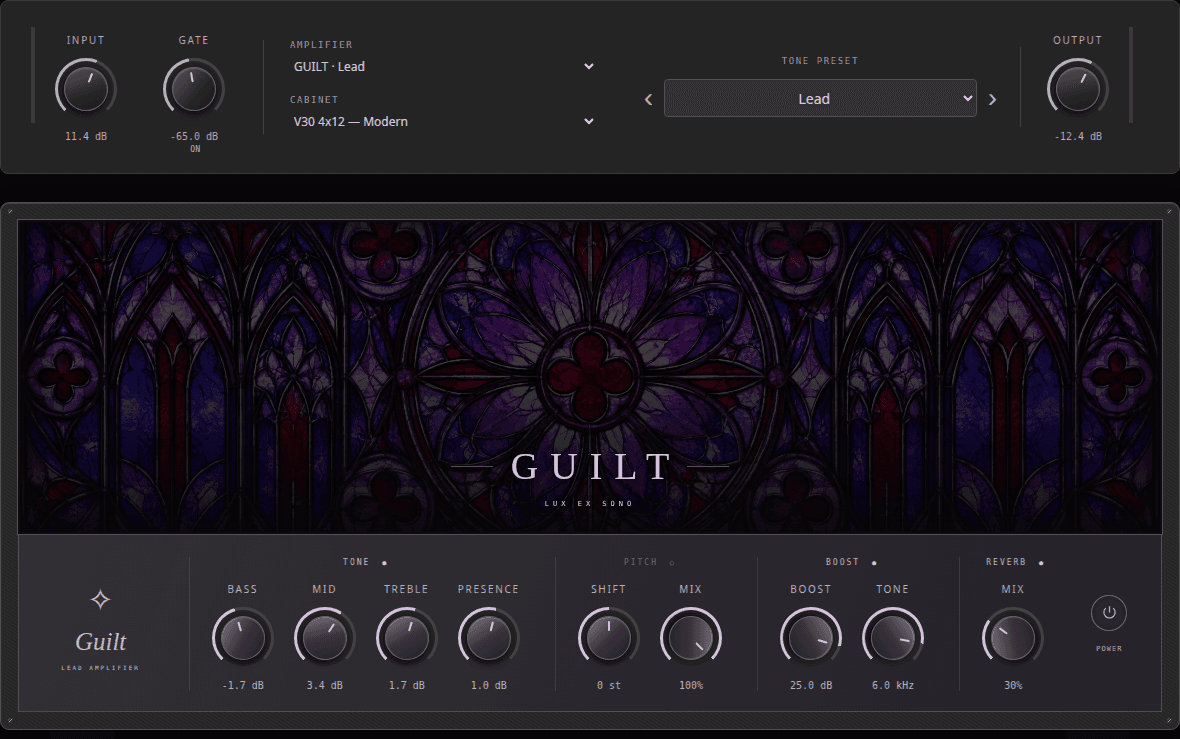
Tonecraft lets you play guitar in your browser, with a virtual amp and effects. Reading tablature, tuning up, keeping time, looping a passage or recording along with a backing track: it all happens in one place.
- Choose your amp and effects
- Work on a song at your own pace
- Record your guitar with a backing track
The approach
Less setup, more music
On a computer, playing guitar often means installing several programs and getting them to work together. I built Tonecraft to bring the sound and the practice tools together on a single page.
You plug your guitar into an audio interface, the box that connects it to the computer, then choose your sound. Without a guitar, a demo also lets you hear the result, without turning on the microphone.
Learning, and keeping a take
You can open a tablature, slow it down and loop a passage. The tuner helps tune the guitar, the metronome sets the tempo and the looper repeats what you just played. The player and its instrument sounds only load when you open a score.
The recorder keeps the DI: the sound of the guitar before the effects. So you can change amps after playing, then download the take with or without effects, on its own or with its backing track. The looper, for its part, keeps the sound with its effects.
The path of the sound
From the guitar to the headphones, the sound goes through a series of steps. Each one changes it a little.
The guitar
The recorder
Preparation
The amp
The speaker
The colour
The looper
The volume
The song
The headphones
The metronome
Behind the page
What you see, what decides and what transforms the sound are kept apart.
The page
The memory
Tablature
The conductor
The browser
orTonecraft Engine
Sound processing
Export
With or without an installed program
Sound processing runs in the browser. For some audio interfaces, an optional program, Tonecraft Engine, gives direct access to the hardware. The page keeps the same controls and the processing stays the same.
The page waits for the engine to confirm the amp has loaded, and reports a failure. Before each release, tests check this loading, the demo without a microphone, playback and recording.